
How to Read Your Birth Chart for Beginners Complete Guide
Your birth chart is essentially a snapshot of the sky at the exact moment you were born. Think of it as your personal cosmic blueprint, a map that reveals your strengths, challenges, desires, and life purpose. Learning to read this celestial document might seem overwhelming at first, but once you understand the basics, it becomes a powerful tool for self-discovery.
This comprehensive guide will walk you through everything you need to know to start interpreting your own birth chart with confidence.
What is a Birth Chart and Why Does It Matter?
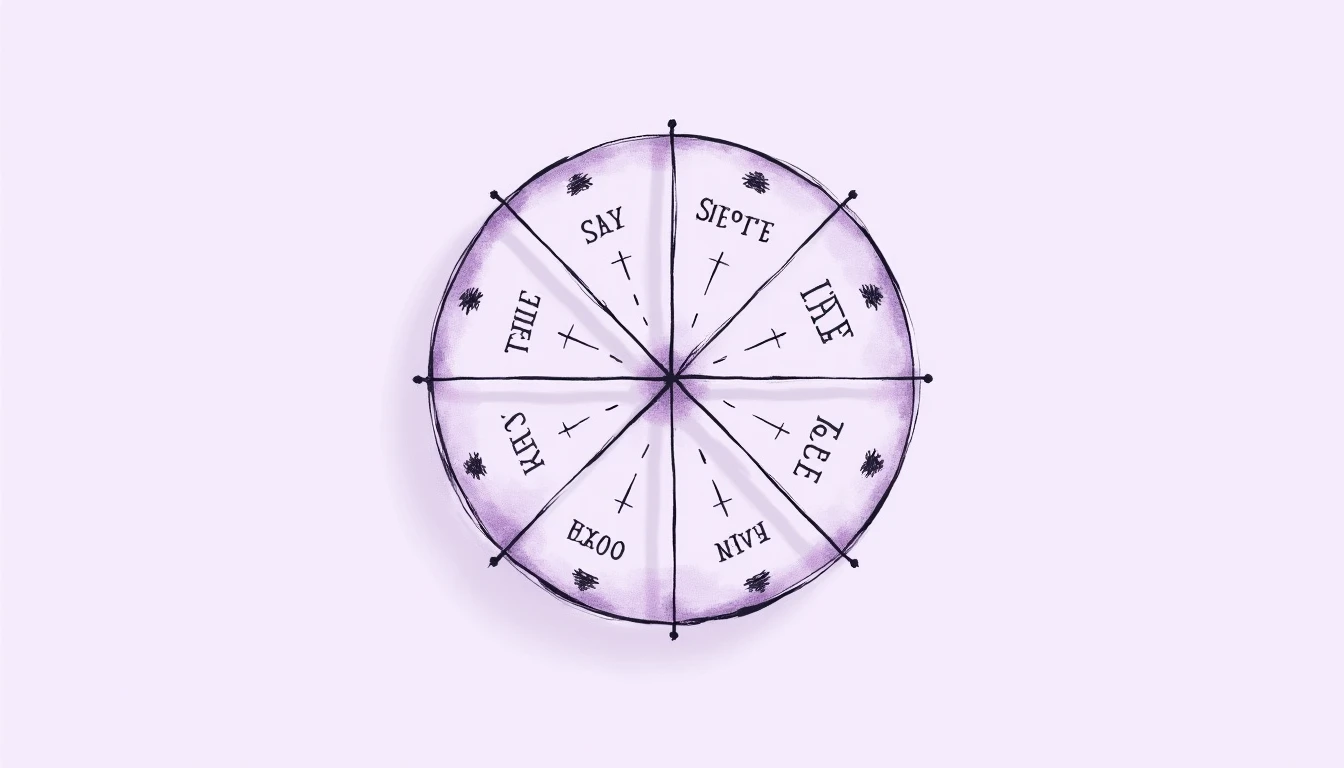
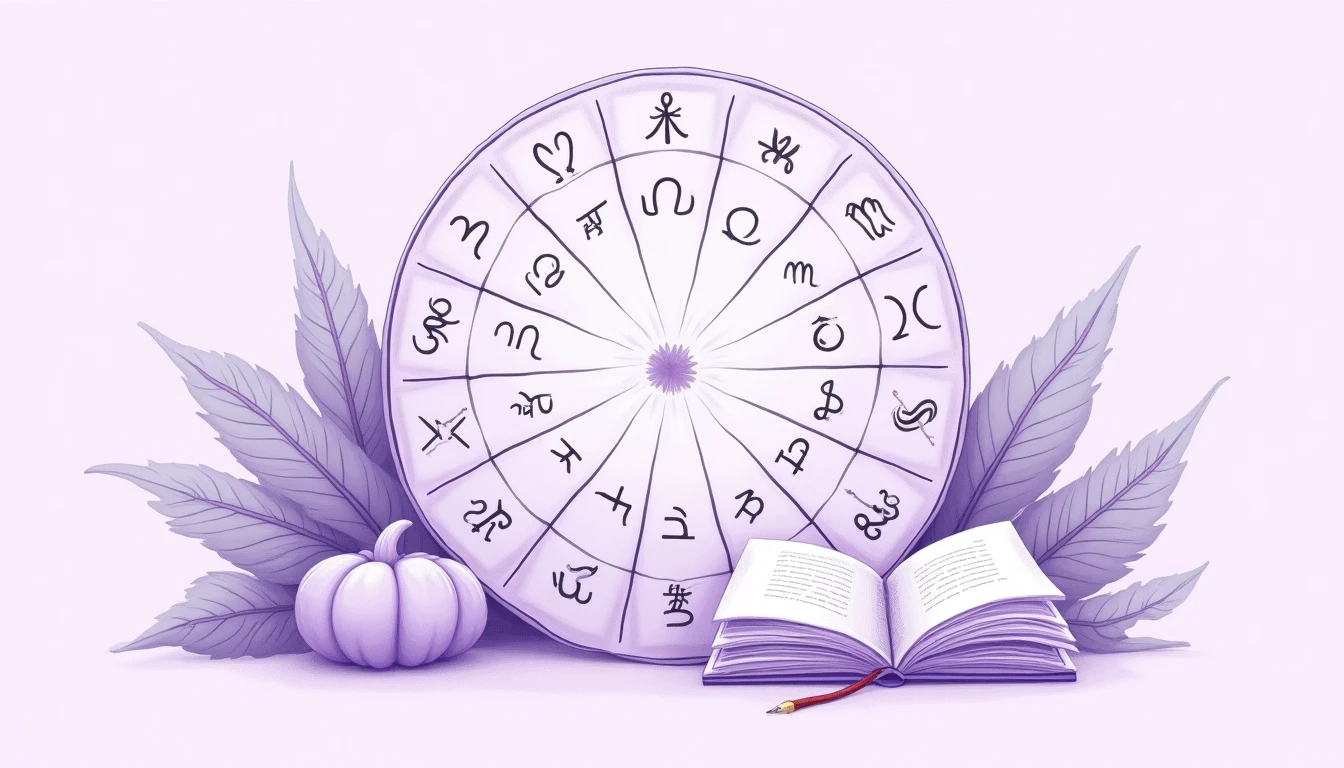
A natal chart (another name for a birth chart) is a circular diagram that shows where all the planets were positioned at your birth moment, viewed from your exact birth location. Unlike your daily horoscope that only considers your Sun sign, your birth chart reveals a complete picture of your astrological makeup. Understanding the four elements and zodiac modalities provides the foundation for interpreting any chart.
Why should you care? Because your birth chart offers insights into:
- Your core personality and how you express yourself
- Your emotional needs and what makes you feel secure
- Your communication style and how you process information
- Your relationship patterns and what you seek in partners
- Your career inclinations and where you might find success
- Your life challenges and how to work through them
To generate your birth chart, you need three pieces of information: your birth date, your exact birth time (as close as possible), and your birth location. The more accurate these details, the more precise your chart reading will be.
The Big Three: Sun, Moon, and Rising Signs
When astrology enthusiasts ask about your Big Three, they want to know your Sun sign, Moon sign, and Rising sign (also called the Ascendant). These three placements form the foundation of your astrological identity.
Your Sun Sign: The Core Self
Your Sun sign represents your essential identity, your ego, and your life force. It answers the question, "Who am I at my core?" This is the sign most people know because it only requires your birth date. Your Sun sign reveals your basic character, your willpower, and your sense of purpose.
Your Moon Sign: The Emotional Self
Your Moon sign governs your emotional world, your instincts, and your innermost needs. While your Sun sign is how you shine outwardly, your Moon sign reflects your private, internal landscape. It shows how you process feelings, what makes you feel nurtured, and how you respond when stressed. Many people find their Moon sign resonates even more deeply than their Sun sign.
Your Rising Sign: The Social Self
Your Rising sign or Ascendant is determined by which zodiac sign was rising on the eastern horizon at your exact birth moment. This placement shapes your outward personality, first impressions, physical appearance tendencies, and how you approach new situations. Think of it as the mask you wear when meeting the world.
Understanding how these three signs interact gives you a rich, nuanced portrait of your personality that goes far beyond any single zodiac sign.
Understanding the 12 Houses
The birth chart is divided into 12 sections called houses, each representing a different area of life. The houses are like stages where the planetary drama unfolds. For a deeper exploration, see our complete guide to the 12 houses in astrology.
- 1st House (Self): Your identity, appearance, and how you initiate action
- 2nd House (Values): Money, possessions, self-worth, and material security
- 3rd House (Communication): Thinking, learning, siblings, and local environment
- 4th House (Home): Family, roots, emotional foundation, and private life
- 5th House (Creativity): Romance, children, self-expression, and pleasure
- 6th House (Service): Daily routines, health, work habits, and service to others
- 7th House (Partnerships): Marriage, committed relationships, and open enemies
- 8th House (Transformation): Shared resources, intimacy, death, rebirth, and psychology
- 9th House (Philosophy): Higher education, travel, beliefs, and expanding horizons
- 10th House (Career): Public image, reputation, achievements, and authority
- 11th House (Community): Friendships, groups, hopes, and social causes
- 12th House (Spirituality): The unconscious, hidden matters, solitude, and transcendence
When a planet sits in a particular house, it influences that life area. For example, Venus in your 10th House might indicate that charm and aesthetics play a role in your career.
Planets and What They Represent
Each planet in your birth chart carries specific energy and governs certain aspects of your personality and life.
Get your very own personalized AI horoscope podcast, daily
Your own personalized horoscope, created daily just for you.
Personal Planets
These move quickly and shape your day-to-day personality:
Social Planets
These move more slowly and influence your social interactions:
- Jupiter: Growth, luck, abundance, and philosophy. Your Jupiter return every 12 years brings expansion.
- Saturn: Discipline, limitations, lessons, and maturity. The Saturn return around age 29 is a major life milestone.
Outer Planets
These generational planets spend years in each sign, affecting broader life themes. Check if any were retrograde in your chart for additional insight:
- Uranus: Innovation, rebellion, sudden change
- Neptune: Dreams, spirituality, illusion, creativity
- Pluto: Transformation, power, destruction, and rebirth
How to Interpret Aspects
Aspects are the angular relationships between planets in your chart. They reveal how different parts of your personality interact, either harmoniously or with tension.
Major Aspects to Know
- Conjunction (0 degrees): Planets blend their energies, intensifying both
- Sextile (60 degrees): A harmonious, supportive connection that offers opportunities
- Square (90 degrees): Tension and challenge that drives growth through friction
- Trine (120 degrees): Easy, flowing energy and natural talents
- Opposition (180 degrees): Polarity creating awareness through contrast
When reading aspects, consider which planets are involved and what houses they rule. A Venus-Mars conjunction might indicate passion in relationships, while a Saturn square Sun could suggest challenges with authority or self-confidence that ultimately build character.
Next Steps for Deeper Learning
Now that you understand the building blocks, here are ways to deepen your birth chart knowledge:
- Start with your Big Three and really get to know those placements before adding complexity
- Identify your chart ruler (the planet ruling your Rising sign) for additional insight
- Notice patterns like stelliums (three or more planets in one sign or house)
- Study your North Node to understand your soul's growth direction
- Track transits to see how current planetary movements affect your natal chart, including major cycles like your Saturn return, Jupiter return, and Chiron return
- Compare charts with friends and partners to understand relationship dynamics, or explore composite charts for deeper partnership insight
- Cast your solar return each year to understand the themes of your upcoming birthday year
Reading your birth chart is a lifelong journey. Each time you return to it with more knowledge, you discover new layers of meaning.
Unlock Your Cosmic Blueprint Today
Understanding your birth chart is one of the most profound tools for self-discovery available to you. It validates your experiences, illuminates your potential, and offers guidance for navigating life's challenges with greater awareness.
Ready to explore your personal cosmic blueprint? Get your detailed birth chart analysis and discover the unique planetary patterns that shape who you are.